
Monitoring wildlife health is important, as diseases can impact the abundance of species, and several can also affect domestic animals and people with significant economic and social costs. Examples of important infectious diseases of wildlife include highly pathogenic avian influenza virus (HPAIV), West Nile virus (WNV), rabies, and chronic wasting disease, to name a few. Some of these diseases, such as HPAIV and WNV, originated from other parts of the world and have been introduced into North America, and local wildlife disease surveillance has been key to detecting their introduction. Other non-infectious diseases monitored in wildlife include lead poisoning, pesticide toxicity, oiling, algal blooms, and plastics which can be sentinels of environmental degradation.
The Canadian Wildlife Health Cooperative (CWHC) plays a central role in wildlife disease surveillance in Canada. We are a network of Regional Centres based at the veterinary colleges across Canada, also including various provincial veterinary diagnostic laboratories. The Western and Northern (W/N) Regional Centre is based at the Western College of Veterinary Medicine and is responsible for wildlife disease surveillance in Saskatchewan, the Northwest Territories and the Yukon, with smaller projects elsewhere. A primary responsibility of the Regional Centres, including us, is to perform autopsies on dead wildlife submitted to our diagnostic labs to determine cause of death (passive surveillance) and to do active surveillance for specific diseases on these submissions.
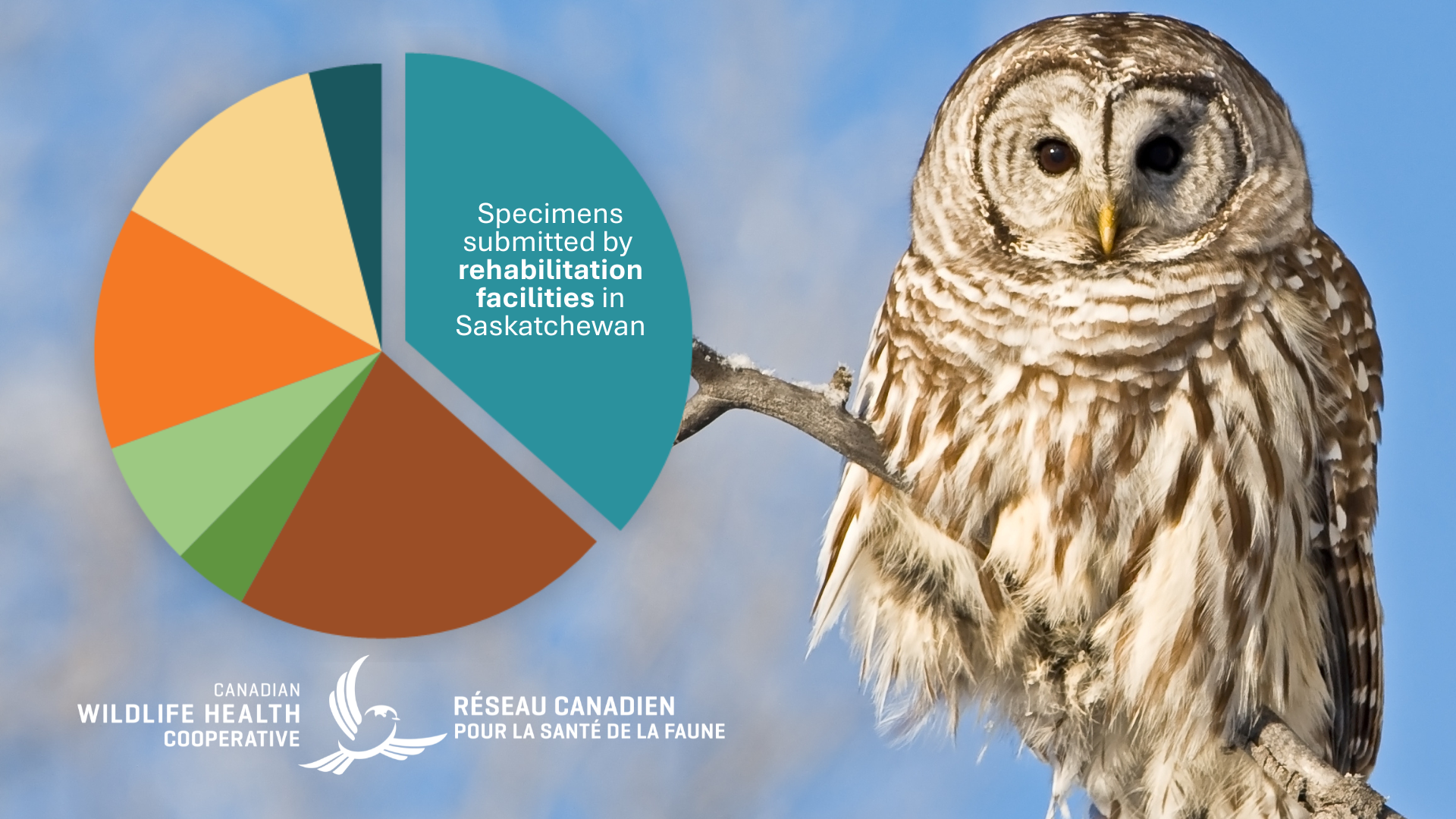
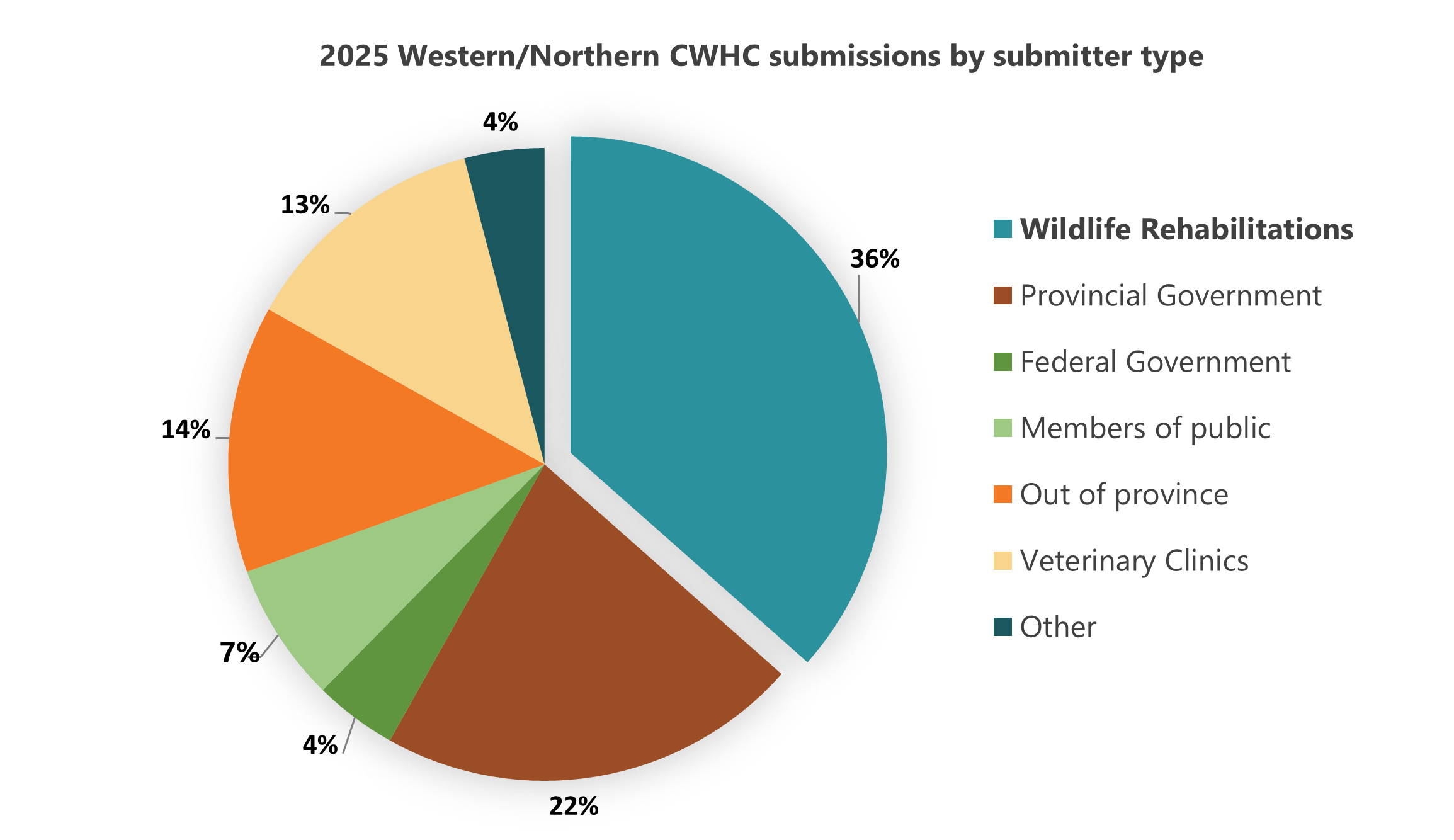
This program would not work without members of the public reporting and submitting sick and dead wildlife and the response and submissions from various organizations including conservation officers, federal and provincial government agencies, veterinary clinics, biologists, etc. In Saskatchewan, wildlife rescue and rehabilitation facilities are the largest contributor to our wildlife disease surveillance program (Figure 1), providing Wildlife rehabilitation facilities like Living Sky Wildlife Rehabilitation (LSWR) in Saskatoon, and Salthaven West in Regina, are the stars of today’s blog article.
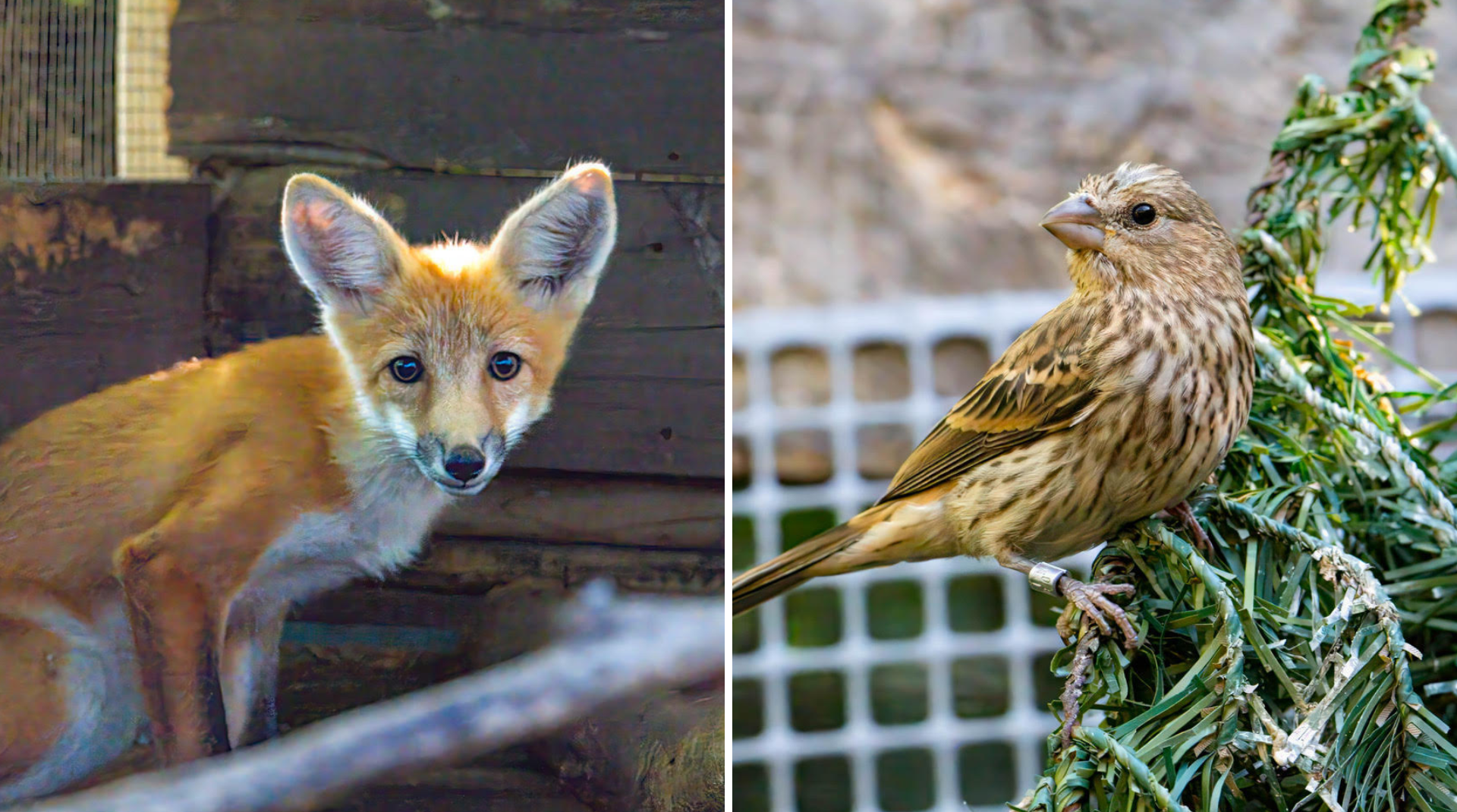
 These organizations, comprised of wildlife professionals and volunteers, provide care to compromised wild animals with the goal of returning them to the wild in good health or humanely euthanizing them if that is not possible. Unfortunately, it is not uncommon for these animals to end up needing care because of events that are directly or indirectly linked to human activity. Using their experience and the assistance of other professionals such as biologists and veterinarians, registered wildlife rehabilitators and volunteers do their best to identify what is ailing the rescued animals and to then care for them (Figure 2).
Megan Lawrence, Director and Founder of Salthaven West:
“We have operated in Regina for 12 years, and we take in and care for over 1500 wild birds, mammals, reptiles, and amphibians from over 120 communities across Saskatchewan. Our goal is to release healthy wildlife back into their natural environments.”
Jan Shadick, Executive Director and Wildlife Rehabilitator, LSWR:
“In 2025, LSWR housed +2500 animals including birds, mammals and other critters. LSWR offers this public service free of charge and provide the level of care and attention these animals need to recover, grow, and ultimately thrive before being released back into their natural habitat.”
Jan Shadick, Executive Director and Wildlife Rehabilitator, LSWR:
“LSWR has been honoured to work with the CWHC on disease surveillance for almost 20 years. In that time we submitted specimens that identified the first case of Tularemia in Saskatoon, hundreds of avian influenza cases, and multiple cases of rabies. We are grateful to the CWHC for their diagnostics which informs our work to better respond to the needs of the wildlife.”
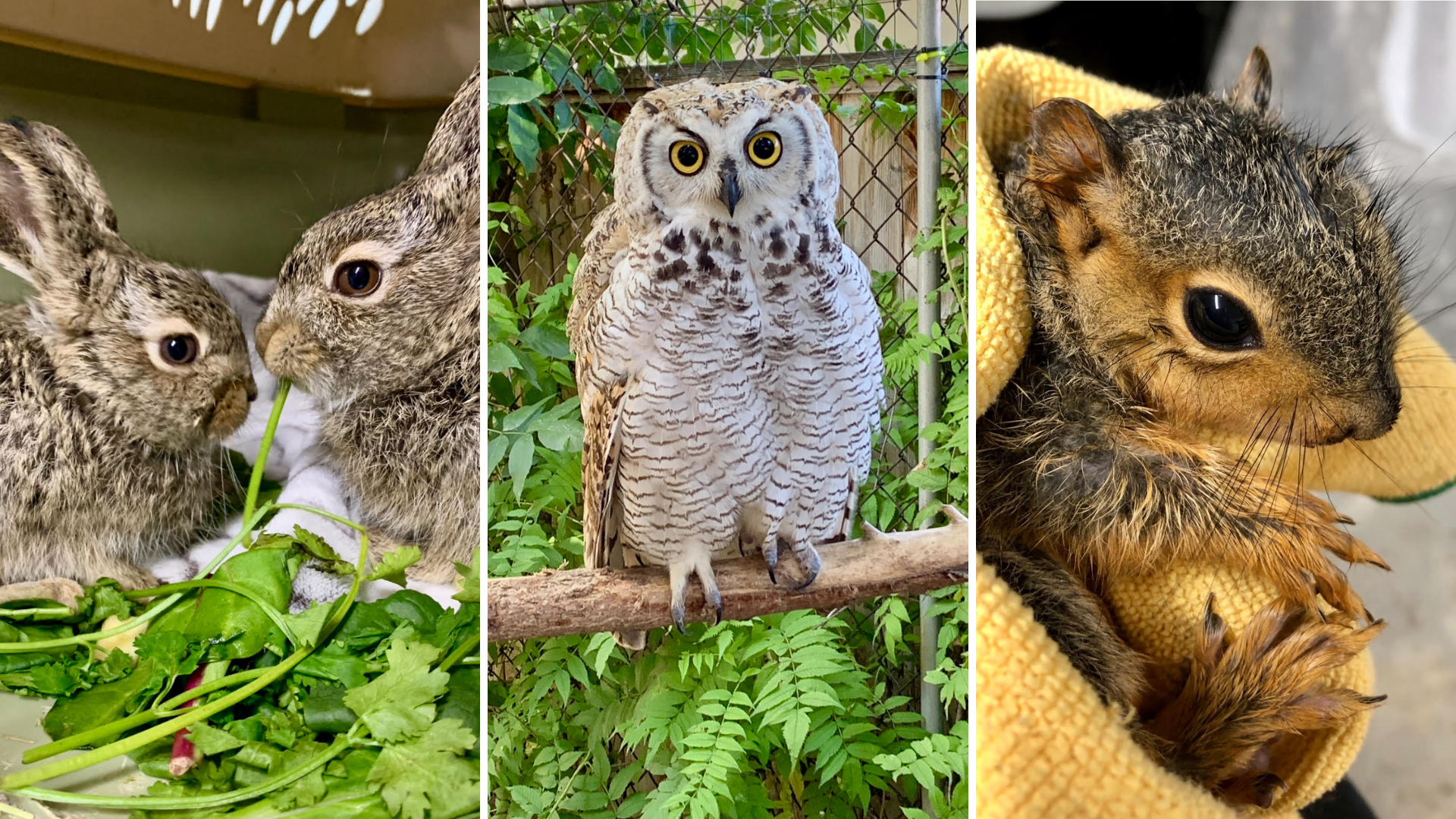
Rehabilitation centres see hundreds or even thousands of intakes per year and accept a wide range of patients (Figure 3), which is reflected in the variety of species we examine and allows for a safe and practical way to gather samples. They are major contributors to our surveillance efforts for avian influenza and West Nile virus.
Megan Lawrence, Director and Founder of Salthaven West:
“We are grateful for the opportunity to collaborate with the Canadian Wildlife Health Cooperative on the submission of wildlife specimens for testing and disease monitoring. Knowledge of emerging and active illnesses, such as avian influenza or West Nile virus, in Saskatchewan’s wildlife populations aids us with triaging patients, providing advice to the public, and keeping our staff and volunteers safe. There is a tremendous benefit from the diagnostic reports we receive from CWHC as they can confirm if a patient had a suspected illness or reveal a disease we weren’t expecting, as well as provide us with valuable information and insight on treating future patients arriving at our clinic that may present with similar symptoms.”
Their volunteers and staff are trained to not only safely handle wildlife but also to adequately respond to inquiries from members of the public. Hence, their participation is crucial to address cases of sick or injured animals across the province and communicate pertinent information to the public, which would be a challenging task for our laboratory to perform alone. They are also involved in many educational programs for people of all ages.
Nathan McCarville, B.Sc., Clinic Manager, Salthaven West:
“As a wildlife rehabilitation centre, disease monitoring is important for detecting the presence and prevalence of pathogens in our wild populations so we can prepare and better serve our wildlife patients and reduce transmission. Outbreak detection of known and novel diseases is not only important to wildlife health but also has implications for public health when diseases are able to be spread to people or domestic animals. We are incredibly grateful that the CWHC exists to fulfil this vital role of disease monitoring as it expands our toolkit to better diagnose and treat our patients, allows our medical system to be aware of disease outbreaks, and helps keep the public safe.”
Jan Shadick, Executive Director and Wildlife Rehabilitator, LSWR:
“We are proud to have developed safety protocols to manage these diseases on the front lines which allows us to operate while keeping ourselves, the public and the wildlife safe, whether in or out of our care. Our collaboration with CWHC means we can better respond to public inquiries and concerns about wildlife to reduce the risk of disease to the community and to the wildlife.”em>
Similar to the CWHC, which is facing government funding shortfalls and has started accepting tax-deductible donations so we can keep doing what we do, wildlife rehabilitation centres like LSWR and Salthaven West depend on grants, donations, and fundraising to maintain their structure, provide for their patients, and compensate their staff.
Megan Lawrence, Director and Founder of Salthaven West:
“We are mainly a volunteer run organization and only have 2 paid staff. We have been fundraising for the past 3 years to open a new larger centre that is 2500 sq/feet on 24 acres. We are very close to our ultimate goal of $700,000 and will be opening this spring!”
Jan Shadick, Executive Director and Wildlife Rehabilitator, LSWR:
“Financial contributions or donations of specifically needed items make a meaningful difference in this work. When animals arrive hungry or in need, we rely on donations and grants to provide food, safe housing, and necessary medical care. Monthly donations are especially valuable, as they allow us to plan ahead and ensure consistent access to food and treatment, helping us direct resources where they are needed most.”
If you are interested in actively collaborating with organizations like these in your area, please consider volunteering or donating to these institutions. Please note that there are many other registered rehabilitation centres across Saskatchewan that make a difference for wildlife.
Wildlife rehabilitation centres are important to the continued success of disease surveillance programs across Saskatchewan and Canada as a whole. As this article illustrates, measures to protect and conserve animals and nature and measures to preserve the health and improve the lives of people are interconnected – the One Health approach – and rely on cooperations like these.
Written by: Beatriz Garcia de Sousa, Sabine Kirsch, Ursula Perdrizet, Shelagh Copeland and Trent K. Bollinger (Western/Northern CWHC)
REFERENCES
- Perdrizet UG, et al. Eptesipox virus-associated lesions in naturally infected big brown bats. Vet Pathol. 2024;61(4):541-549. doi: 10.1177/03009858241231556.
- Perdrizet UG, Lockerbie B, Bollinger TK. Myxidium anatidum in a Bald Eagle Haliaeetus leucocephalus from Western Canada. J Wildl Dis. 2025. doi:10.7589/JWD-D-24-00221