
Uncertainty in the geopolitical landscape is having serious downstream effects on the CWHC. For the past twenty plus years, our multi-source core funding has remained at approximately the same level, with various annual fluctuations based on shorter-term grants and agreements or reductions in spending. As salaries and costs rise, this static funding level effectively means that we have been operating on gradually less and less money.
 A recent article in the online magazine “The Narwhal” highlighted this problem. The Narwal is an environmentally-focused publication with a core belief that “Canada’s greatest assets are our people, our lakes, our rivers, our forests. We tell stories Canada’s big news outlets miss and hustle to help our readers make sense of complex (sometimes downright messy) issues.” The full article can be found at https://thenarwhal.ca/wildlife-disease-funding-shortfall/
Of course, the CWHC isn’t the only one currently feeling the pressure of world events. Most of our Federal partners who provide funding are also seeing significant cuts to their budgets and workforces. Environment and Climate Change Canada, the Public Health Agency of Canada, the Canadian Food Inspection Agency, and Parks Canada are all preparing to lose significant numbers of employees as the Federal government undergoes extensive spending reviews and staff layoffs.
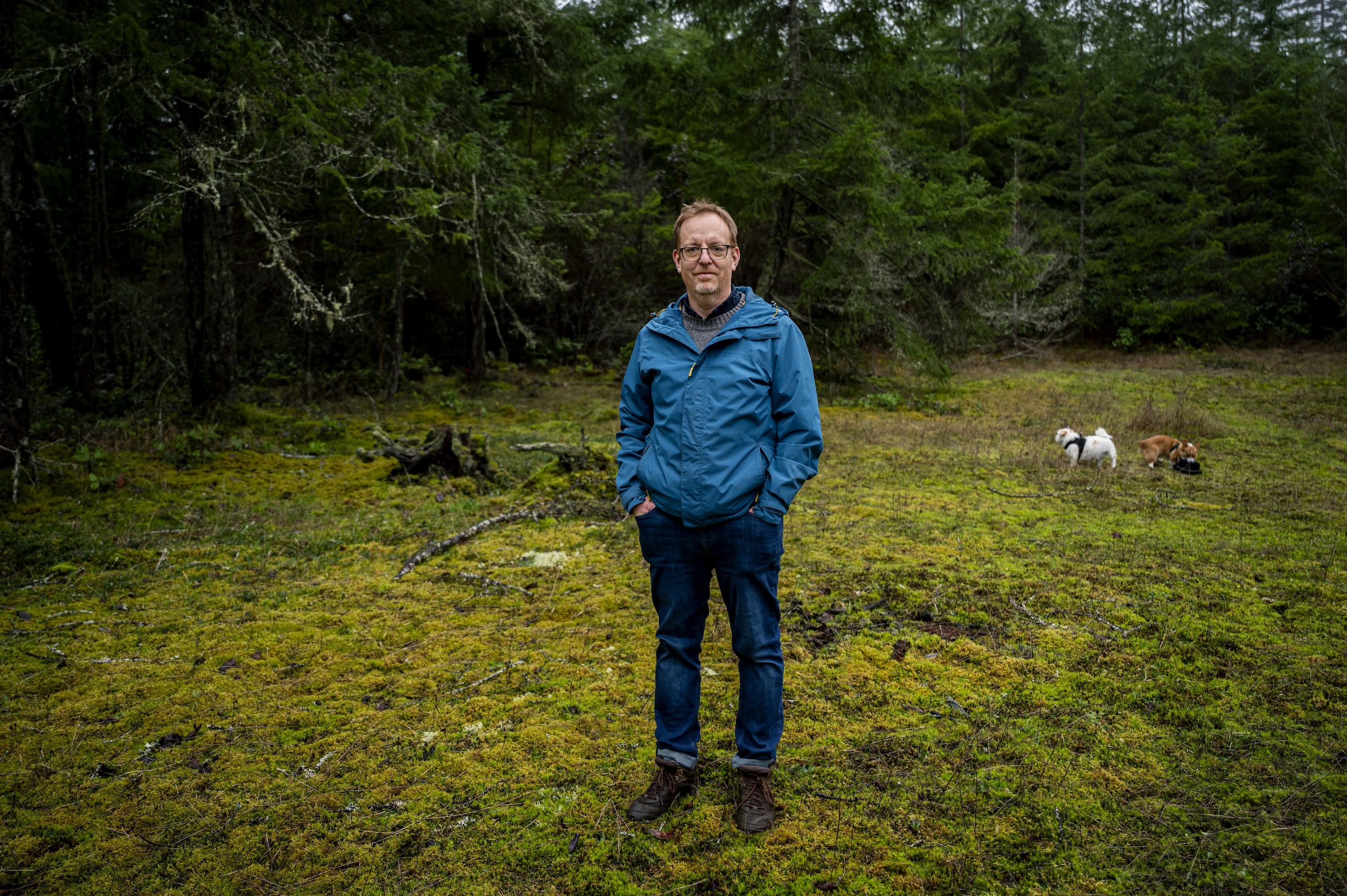
The Narwhal reached out to our Chief Executive Office, Dr. Damien Joly for comment.
While Joly said the cooperative’s partners in government work hard to secure funding for wildlife disease monitoring, budget shortfalls remain a persistent problem.
“Every region is in a deficit situation,” Joly said. The result is the cooperative is being forced to dip into its rainy-day funds to cover costs.
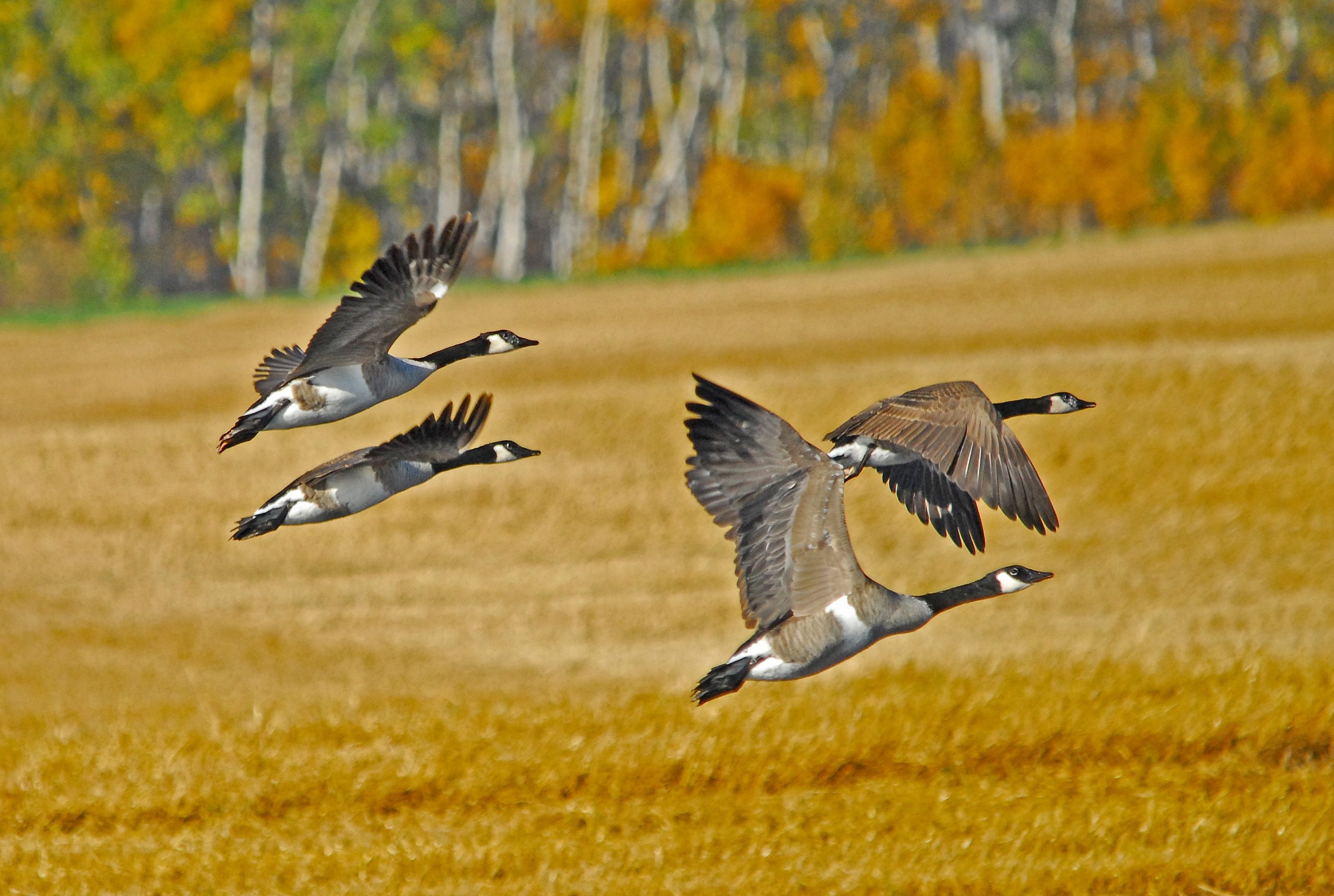 The CWHC is a critical part of Canada’s ability to understand and respond to a variety of wildlife diseases. From zoonotic threats such as highly pathogenic avian influenza, which can be fatal if transmitted to humans, to agriculturally significant threats such as foot and mouth disease, we are Canada’s eyes and ears when it comes to the health of our wildlife.
According to the World Organization for Animal Health’s (WOAH) Terrestrial Animal Health Code, section 4.e requires that a disease is not known to be established in wildlife to maintain that “freedom from disease” status. This confirmation of “freedom from disease” is a critical mechanism which allows us to export our agricultural products like beef and poultry to foreign markets. The CWHC is the WOAH Wildlife Focal Point for and the only national network in Canada that provides this assurance of “freedom from disease”.
As we move into the next phase of our life as a trusted authority on wildlife health, we are looking at ways to both consolidate and diversify our funding model and you can get involved!
We’d love it if you would consider donating to the CWHC to help us continue our mission; to create and use science-based knowledge, services, and solutions to promote wildlife health as a foundation for One Health, for the benefit of Canadian society and the environment.
Your contribution will directly support our efforts to understand wildlife health and disease across the country.
Donate here: https://donate.usask.ca/online/cwhc.php